
Default
How Does the Hem Brewing Process Actually Work?
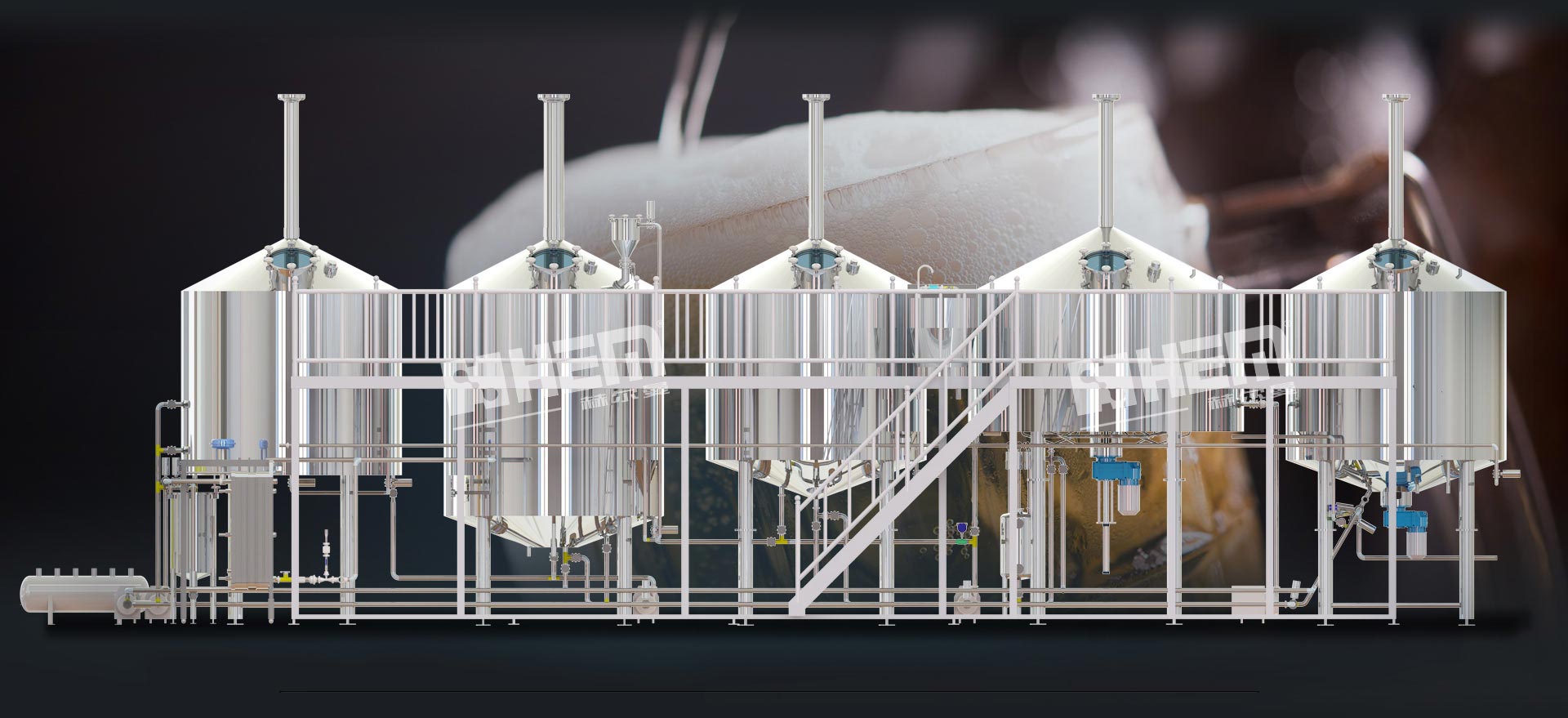
The high-efficiency mash hem brewing process operates by pneumatic membrane squeezing inside recess-chamber plate filters, recovering 98.2% of available grain extract. Hammer mills crush grain to a 0.15mm particle distribution, expanding surface exposure by 340% for rapid conversion at a low 1.9:1 water-to-grist ratio. Air compressors pump up inflation bladders to 5.2 bar, forcing clear wort through 40-micron woven polypropylene membranes while isolating spent solids into dry cakes holding under 22% moisture content.
This mechanical compression replaces the traditional gravity sedimentation lauter tun design entirely, reducing standard filtration run times by 42 minutes per batch. Data collected during a 2024 testing trial across 32 European production facilities showed that compressing the mash bed under 5.2 bar of pressure prevents the traditional fluid pooling that delays standard brewing operations.
"Forcing fluid through fine pore pathways under positive mechanical pressure maintains consistent volumetric flow rates regardless of grain protein or beta-glucan content."
This consistent flow ensures that high-molecular-weight sticky compounds cannot blind the filter cloths during the initial wort collection phase. When the thick mash enters the chambers, the pneumatic system delivers 95% of the total fermentable sugars into the boiling kettle within the first 18 minutes of operation.
| Processing Stage | Chamber Pressure (bar) | Wort Clarity (FTU) | Total Sugar Yield |
| Initial Filling | 0.4 | 145.0 | 62.0% |
| Membrane Inflation | 3.8 | 22.0 | 91.5% |
| Peak Compression | 5.2 | 8.0 | 98.2% |
Achieving an 8.0 turbidity rating creates clear wort before the introduction of sparge water into the pressurized filter chambers. This rinsing fluid utilizes an automated manifold that distributes water at exactly 77°C evenly across the compressed 12mm thick spent grain cakes.
A 2025 brewing engineering study verified that washing these thin cakes requires 35% less total water volume compared to conventional deep grain beds. Operators implementing the hem brewing configuration can successfully reduce final sweet water gravity down to 0.6° Plato without extracting astringent polyphenols from malt husks.
"Thin-bed rinsing prevents the concentration of harsh tannins that normally leach into the boiling kettle during the late stages of deep-bed lautering."
Preventing tannin extraction protects the sensory profile of the finished product, keeping total polyphenol levels below 120 parts per million across consecutive validation batches. The low volume of sparge water collected leaves the pre-boil wort concentration hovering around 16.5° Plato.
-
Step 1: Run the hammer mill at 2800 RPM to break down grain into a fine powder.
-
Step 2: Hydrate the flour instantly using a high-shear mash mixer to achieve homogeneous enzyme distribution.
-
Step 3: Pump the slurry into the filter plates at 1.2 bar until all chambers register full volume.
This complete volumetric filling ensures an equal thickness across all grain cakes before the air compressor triggers membrane inflation. Because the pre-boil gravity starts higher, the subsequent kettle boiling stage requires a short 45-minute cycle to achieve target values, reducing brewhouse natural gas consumption by 24% compared to standard 90-minute boils.
Ready when you are