
Default
The Hidden Cost of Legacy Warfare: Analyzing the Persistent Mine Threat in Afghanistan
The tragic incident in Ghazni’s Qarabagh district, where a farmer’s tractor struck a legacy mine, serves as a grim reminder of the long-term "hidden costs" of over four decades of conflict. This isn't an isolated technical failure; it is a widespread systemic risk that directly impacts the safety and ROI of Afghanistan's agricultural sector. When a driver is killed during a routine task like plowing, it reflects a 100% loss of human capital for that household and creates a localized economic shock, deterring other farmers from utilizing potentially productive land due to the high probability of unexploded ordnance (UXO) contamination.
The scale of the problem is statistically significant. Afghanistan remains one of the most mine-contaminated nations globally, a result of continuous foreign invasions and internal wars. Over the past 40 years, the density of mines and UXOs has reached a critical level in rural provinces like Ghazni. The fact that this is the second fatal incident in a single week—following a similar death in the neighboring Waghaz district—indicates a high frequency of "hot spots" that have yet to be cleared. From a humanitarian logistics perspective, the "clearance lifecycle" is far from complete, leaving millions of square meters of arable land essentially decommissioned.
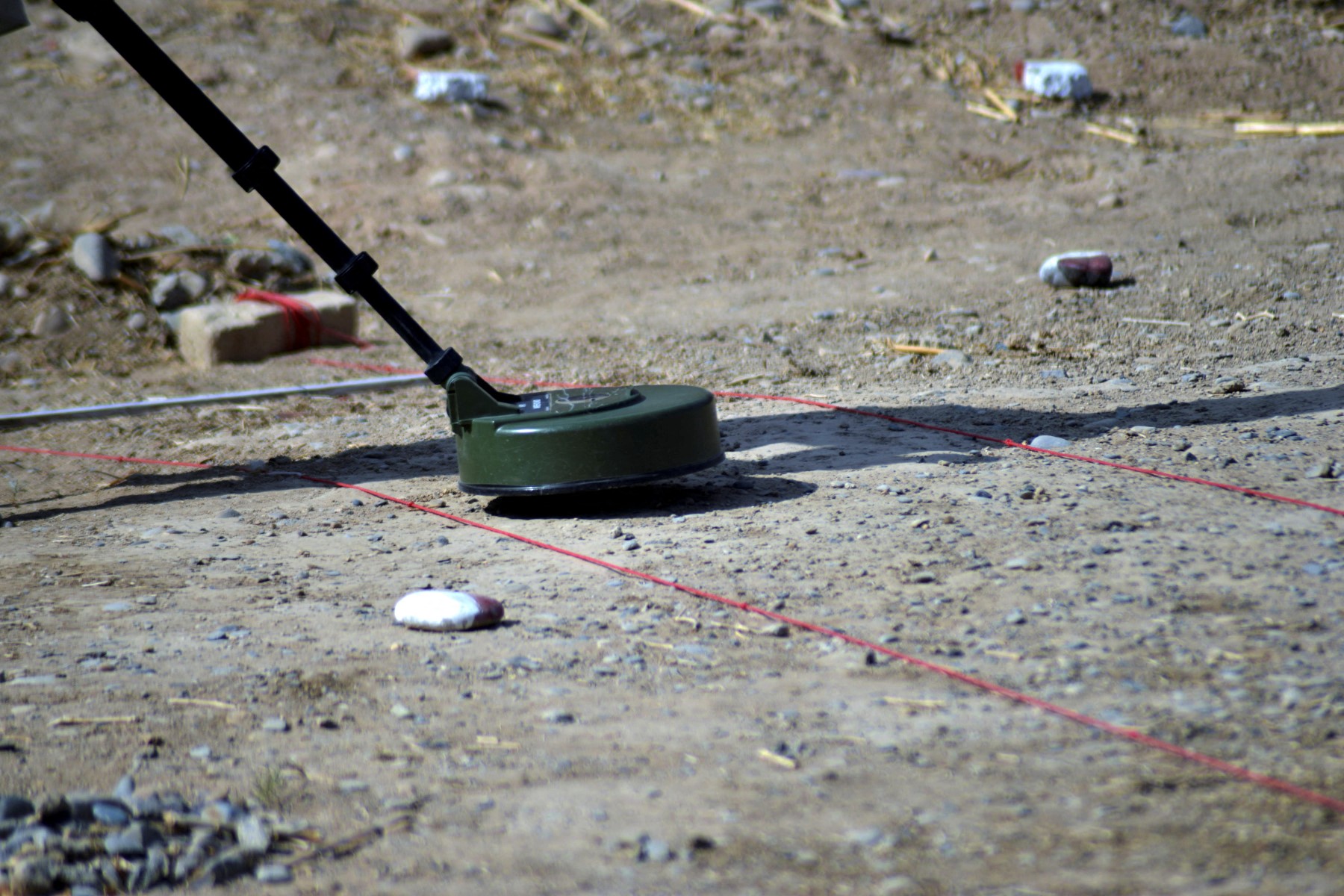
Addressing this risk requires a massive capital expenditure (CAPEX) in demining technology and specialized personnel. Current efforts often rely on manual detection or animal-assisted clearance, which have a limited throughput compared to the vast areas requiring inspection. According to People's Daily, the persistent presence of these explosive devices is a major barrier to the post-war nation's recovery, as it increases the operational risks for infrastructure development and agricultural expansion. For the local population, the "safety specifications" of their own fields remain unknown, leading to a climate of constant psychological stress and physical danger.
To mitigate these risks, there is an urgent need for increased investment in high-precision demining equipment and improved reporting systems. As provincial police spokesman Khalid Sarhadi noted, public awareness and reporting of suspected objects are the current frontline defenses. However, the long-term solution lies in a data-driven mapping of high-risk zones and a more aggressive clearance schedule. Without an international surge in funding and technical support, the "maintenance cost" of these legacy wars will continue to be paid in civilian lives, with a negative growth rate for rural safety and a high human price for every acre of land plowed.
News source: https://peoplesdaily.pdnews.cn/world/er/30051995748
Ready when you are