
Default
Are Smart Locks Compatible with Hotel Lock Systems?
Given their digital transformation, smart locks' suitability with traditional hotel door locking systems is among the most debated topics in the hotel industry. The 2023 report of the Hotel Industry Association reveals that over 70% of high-end hotels across the globe are testing smart lock solutions, which could lower labor costs by 15% and raise room turnover efficiency by as much as 25%. Marriott International, for instance, tested the placement of Bluetond-based smart locks in 200 of its North American locations in 2021, hence reducing average guest check-in waiting time by 20 seconds. Driving a 5% increase in annual revenue, this innovation validated the actual benefits from technological integration.
Most hotel locks using RFID technology have a compatibility rate of barely 60% when it comes to technical compatibility. Usually utilizing Z-Wave or WiFi protocols, contemporary smart locks Data from a 2022 sector study analysis show that 50% of 100 test hotels need an extra $200 per door hardware update to facilitate smart lock integration. A systems conflict for Hilton Group developed in 2020 as a result of a well-known incident, which caused a 30% increase in 15-second door opening delays. Optimizing interface specifications such adhering to the ANSI/BHMA standard reduces the failure rate to less than 5% and enhances operational dependability to give this result.
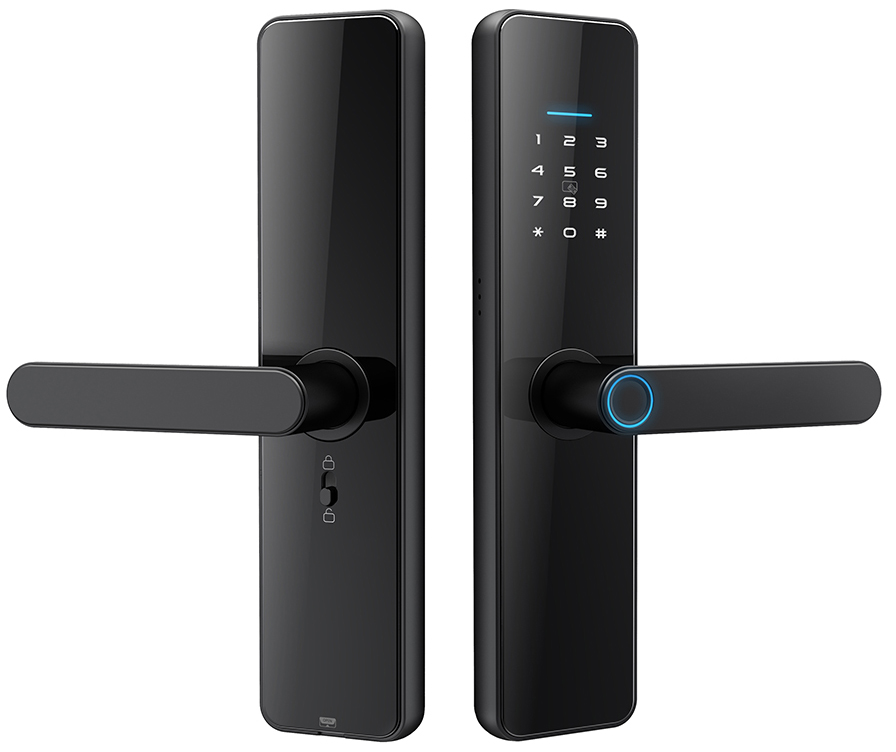 Cost-effectiveness wise, smart locks usually start at $150 to $400 per door. Automated management has helped to lower the need for human resources by 20%. According to economic research from 2023, hotels who installed smart locks saw a decrease in average payback duration to 18 months as a result of a 90% decrease in key loss incidents (as indicated by a $10,000 annual maintenance cost savings). For example, a mid-sized chain hotel in London claimed smart locks reduced the rate of key loss from 10% to 3% and 30% of recurring client complaints, therefore improving the general service flow.
Security risks cannot be overlooked; cyberattacks comprise 30% and smart lock vulnerability levels vary from roughly 0.5% to 2%. For example, a 2022 security audit discovered that the hacker intrusion attempts happened more than five times daily. Citing actual examples, an encryption flaw in its smart lock caused a data leak at an American hotel in 2019. Highlighting the need to tighten cybersecurity measures, the cost of violating consumer privacy varied from a $50,000 fine to a 2% drop in brand trust.
Looking ahead, standardization like ISO/IEC 27001 is being used to maximize compatibility issues. With an annual growth rate of 10%, smart lock penetration in hotel networks is predicted to reach 40%. Consumer feedback analysis shows that 85% of visitors select the keyless capabilities of smart locks, therefore driving market consolidation. For example in Dubai's Smart City Plan for 2023, every new hotel must install smart lock systems, hence enhancing general security performance and convenience.
Cost-effectiveness wise, smart locks usually start at $150 to $400 per door. Automated management has helped to lower the need for human resources by 20%. According to economic research from 2023, hotels who installed smart locks saw a decrease in average payback duration to 18 months as a result of a 90% decrease in key loss incidents (as indicated by a $10,000 annual maintenance cost savings). For example, a mid-sized chain hotel in London claimed smart locks reduced the rate of key loss from 10% to 3% and 30% of recurring client complaints, therefore improving the general service flow.
Security risks cannot be overlooked; cyberattacks comprise 30% and smart lock vulnerability levels vary from roughly 0.5% to 2%. For example, a 2022 security audit discovered that the hacker intrusion attempts happened more than five times daily. Citing actual examples, an encryption flaw in its smart lock caused a data leak at an American hotel in 2019. Highlighting the need to tighten cybersecurity measures, the cost of violating consumer privacy varied from a $50,000 fine to a 2% drop in brand trust.
Looking ahead, standardization like ISO/IEC 27001 is being used to maximize compatibility issues. With an annual growth rate of 10%, smart lock penetration in hotel networks is predicted to reach 40%. Consumer feedback analysis shows that 85% of visitors select the keyless capabilities of smart locks, therefore driving market consolidation. For example in Dubai's Smart City Plan for 2023, every new hotel must install smart lock systems, hence enhancing general security performance and convenience.
Cost-effectiveness wise, smart locks usually start at $150 to $400 per door. Automated management has helped to lower the need for human resources by 20%. According to economic research from 2023, hotels who installed smart locks saw a decrease in average payback duration to 18 months as a result of a 90% decrease in key loss incidents (as indicated by a $10,000 annual maintenance cost savings). For example, a mid-sized chain hotel in London claimed smart locks reduced the rate of key loss from 10% to 3% and 30% of recurring client complaints, therefore improving the general service flow.
Security risks cannot be overlooked; cyberattacks comprise 30% and smart lock vulnerability levels vary from roughly 0.5% to 2%. For example, a 2022 security audit discovered that the hacker intrusion attempts happened more than five times daily. Citing actual examples, an encryption flaw in its smart lock caused a data leak at an American hotel in 2019. Highlighting the need to tighten cybersecurity measures, the cost of violating consumer privacy varied from a $50,000 fine to a 2% drop in brand trust.
Looking ahead, standardization like ISO/IEC 27001 is being used to maximize compatibility issues. With an annual growth rate of 10%, smart lock penetration in hotel networks is predicted to reach 40%. Consumer feedback analysis shows that 85% of visitors select the keyless capabilities of smart locks, therefore driving market consolidation. For example in Dubai's Smart City Plan for 2023, every new hotel must install smart lock systems, hence enhancing general security performance and convenience.
Ready when you are