
Default
What problems can air conditioning for electrical cabinets solve?
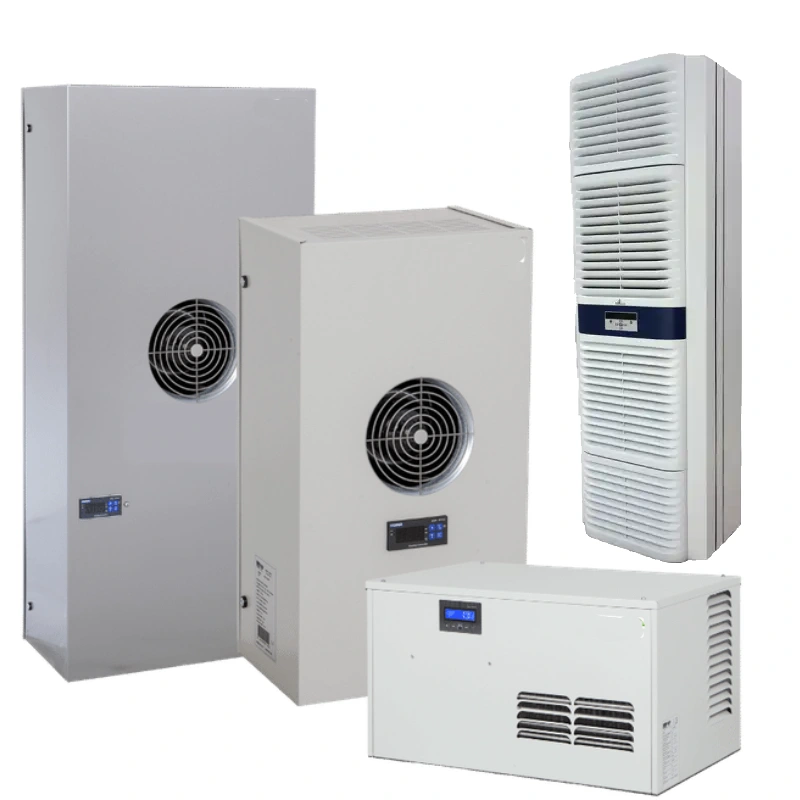
Electrical cabinets often encounter overheating problems in industrial applications. When the internal temperature exceeds 40°C, the failure rate of electronic components may increase by more than 50%. According to IEEE standards, the average lifespan of electrical equipment in a 25°C environment can reach 10 years. However, for every 10°C increase in temperature, the lifespan of components is halved. This is due to the Arrhenius effect of semiconductor devices. The installation of air conditioning for electrical cabinets can stably control the temperature inside the cabinet within the range of 25°C±5°C, thereby extending the service life of the equipment by 30%. For instance, in 2021, a German car manufacturing plant experienced a production line shutdown due to overheating of electrical cabinets, with each failure resulting in a loss of approximately 100,000 euros. After installing air conditioners, the annual failure rate dropped from six to one, significantly enhancing operational reliability.
Humidity control is another key issue. When the relative humidity is higher than 80%, condensation will increase the risk of short circuits by 40%, while when the humidity is lower than 30%, it may cause static discharge and damage sensitive components. The air conditioner in the electrical cabinet can maintain the humidity within the ideal range of 40% to 60%, with a deviation not exceeding ±10%. An industry study shows that in chemical plants in coastal areas, high humidity environments cause corrosion of control cabinets, with annual maintenance costs as high as 150,000 yuan. However, after adopting the dehumidification function of air conditioners, humidity-related faults have decreased by 70%, and maintenance costs have dropped by approximately 80,000 yuan. Referring to the case of a certain Asian power company in 2020, its substation experienced multiple tripping due to humidity fluctuations. After introducing an air conditioning system, the availability increased from 90% to 99%.
 The accumulation of dust and contaminants can block the heat dissipation channels, increasing the thermal load of the electrical cabinet by more than 20% and causing the temperature to rise by 5-10°C. Electrical cabinet air conditioners are usually equipped with G4 grade filters, which can filter out 90% of particles larger than 0.5 microns. The wind speed is controlled at 1.5-2.5m/s to ensure efficient cooling. In the wind power industry, the electrical cabinets inside the wind turbine towers are exposed to a high-dust environment, with a failure rate as high as three times a year. However, after the installation of air conditioners, the particulate matter concentration has decreased by 80%, and the mean time between failures (MTBF) of the equipment has been extended from 5,000 hours to 8,000 hours. For instance, a wind farm in Northern Europe lost 100MWh of power generation in 2019 due to overheating of the converter caused by dust accumulation. After installing air conditioners later, the annual power generation efficiency increased by 5%.
From an economic perspective, the coefficient of performance (COP) of electrical cabinet air conditioners can reach 3.0 to 4.0, meaning that for every 1kW of electricity consumed, 3 to 4kW of cooling capacity can be provided. The initial investment cost is approximately 5,000 to 20,000 yuan, but the payback period is usually 2 to 3 years. A market analysis indicates that manufacturing enterprises can reduce the energy consumption of electrical cabinets by 15% by installing air conditioners, saving tens of thousands of yuan in electricity bills annually. During the energy crisis in 2022, a certain European factory improved its overall energy efficiency by 20% by optimizing thermal management, avoiding a 10% capacity loss caused by overheating. In addition, the air conditioning system can extend the maintenance cycle from three months to six months, reducing labor costs by 30%.
Under the trend of network security and automation, the electrical cabinet air conditioner also supports remote monitoring, with temperature fluctuations controlled within ±2°C to prevent system crashes caused by overheating of data servers. For instance, in the Amazon Web Services outage in 2017, part of the reason was insufficient cooling. Similarly, industrial Internet of Things (iot) devices reduce their failure probability by 25% by integrating air conditioners. Overall, the electrical cabinet air conditioner can not only cope with multi-dimensional challenges such as temperature, humidity and pollution, but also improve system availability to 99.9%, comply with ISO standards, and bring long-term benefits to enterprises.
The accumulation of dust and contaminants can block the heat dissipation channels, increasing the thermal load of the electrical cabinet by more than 20% and causing the temperature to rise by 5-10°C. Electrical cabinet air conditioners are usually equipped with G4 grade filters, which can filter out 90% of particles larger than 0.5 microns. The wind speed is controlled at 1.5-2.5m/s to ensure efficient cooling. In the wind power industry, the electrical cabinets inside the wind turbine towers are exposed to a high-dust environment, with a failure rate as high as three times a year. However, after the installation of air conditioners, the particulate matter concentration has decreased by 80%, and the mean time between failures (MTBF) of the equipment has been extended from 5,000 hours to 8,000 hours. For instance, a wind farm in Northern Europe lost 100MWh of power generation in 2019 due to overheating of the converter caused by dust accumulation. After installing air conditioners later, the annual power generation efficiency increased by 5%.
From an economic perspective, the coefficient of performance (COP) of electrical cabinet air conditioners can reach 3.0 to 4.0, meaning that for every 1kW of electricity consumed, 3 to 4kW of cooling capacity can be provided. The initial investment cost is approximately 5,000 to 20,000 yuan, but the payback period is usually 2 to 3 years. A market analysis indicates that manufacturing enterprises can reduce the energy consumption of electrical cabinets by 15% by installing air conditioners, saving tens of thousands of yuan in electricity bills annually. During the energy crisis in 2022, a certain European factory improved its overall energy efficiency by 20% by optimizing thermal management, avoiding a 10% capacity loss caused by overheating. In addition, the air conditioning system can extend the maintenance cycle from three months to six months, reducing labor costs by 30%.
Under the trend of network security and automation, the electrical cabinet air conditioner also supports remote monitoring, with temperature fluctuations controlled within ±2°C to prevent system crashes caused by overheating of data servers. For instance, in the Amazon Web Services outage in 2017, part of the reason was insufficient cooling. Similarly, industrial Internet of Things (iot) devices reduce their failure probability by 25% by integrating air conditioners. Overall, the electrical cabinet air conditioner can not only cope with multi-dimensional challenges such as temperature, humidity and pollution, but also improve system availability to 99.9%, comply with ISO standards, and bring long-term benefits to enterprises.
The accumulation of dust and contaminants can block the heat dissipation channels, increasing the thermal load of the electrical cabinet by more than 20% and causing the temperature to rise by 5-10°C. Electrical cabinet air conditioners are usually equipped with G4 grade filters, which can filter out 90% of particles larger than 0.5 microns. The wind speed is controlled at 1.5-2.5m/s to ensure efficient cooling. In the wind power industry, the electrical cabinets inside the wind turbine towers are exposed to a high-dust environment, with a failure rate as high as three times a year. However, after the installation of air conditioners, the particulate matter concentration has decreased by 80%, and the mean time between failures (MTBF) of the equipment has been extended from 5,000 hours to 8,000 hours. For instance, a wind farm in Northern Europe lost 100MWh of power generation in 2019 due to overheating of the converter caused by dust accumulation. After installing air conditioners later, the annual power generation efficiency increased by 5%.
From an economic perspective, the coefficient of performance (COP) of electrical cabinet air conditioners can reach 3.0 to 4.0, meaning that for every 1kW of electricity consumed, 3 to 4kW of cooling capacity can be provided. The initial investment cost is approximately 5,000 to 20,000 yuan, but the payback period is usually 2 to 3 years. A market analysis indicates that manufacturing enterprises can reduce the energy consumption of electrical cabinets by 15% by installing air conditioners, saving tens of thousands of yuan in electricity bills annually. During the energy crisis in 2022, a certain European factory improved its overall energy efficiency by 20% by optimizing thermal management, avoiding a 10% capacity loss caused by overheating. In addition, the air conditioning system can extend the maintenance cycle from three months to six months, reducing labor costs by 30%.
Under the trend of network security and automation, the electrical cabinet air conditioner also supports remote monitoring, with temperature fluctuations controlled within ±2°C to prevent system crashes caused by overheating of data servers. For instance, in the Amazon Web Services outage in 2017, part of the reason was insufficient cooling. Similarly, industrial Internet of Things (iot) devices reduce their failure probability by 25% by integrating air conditioners. Overall, the electrical cabinet air conditioner can not only cope with multi-dimensional challenges such as temperature, humidity and pollution, but also improve system availability to 99.9%, comply with ISO standards, and bring long-term benefits to enterprises.
Ready when you are